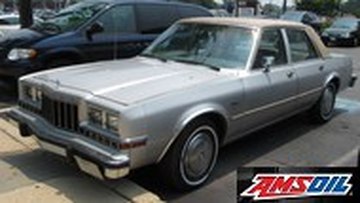
Maintaining Lubrication Standards for the 1982 Dodge DIPLOMAT 5.2L
Proper engine maintenance is a cornerstone of long-term vehicle health, particularly for an engine like the 5.2L found in the 1982 Dodge Diplomat. Maintaining the correct lubrication environment helps ensure that internal components operate with minimal friction and that heat is managed effectively during operation. For owners of this vehicle, staying proactive with fluid inspections and understanding how to select appropriate lubricants can prevent many common mechanical concerns.
Monitoring Fluid Integrity and Potential Leaks
One of the most effective ways to monitor the health of a 5.2L engine is through regular visual inspections for fluid integrity. Over time, various seals and gaskets may experience changes in their ability to contain fluids. When performing routine checks, it is useful to look for any signs of seepage or active leakage around the engine block and associated components.
If you notice dark stains on the driveway or a wet appearance on the underside of the engine, these can be indicators that a seal or gasket may require attention. Rather than assuming a specific component has failed, it is best to treat these observations as a prompt for closer inspection. Additionally, checking the level and clarity of the oil regularly allows you to monitor if the vehicle is consuming more lubricant than expected between service intervals. A sudden change in how much oil the engine requires can be an important signal that warrants further investigation by a professional.
Observing Changes in Engine Performance and Appearance
Beyond visible leaks, there are several sensory indicators that can suggest the lubrication system needs attention. While symptoms can have many different causes, being aware of what to look for can help you address issues before they escalate.
- Changes in Lubricant Color or Texture: If the oil appears excessively dark, gritty, or has a milky consistency, it may indicate contamination or that the lubricant has reached the end of its effective service life.
- Unusual Noises: Any new mechanical sounds coming from the engine area should be investigated, as they can sometimes be associated with changes in how components are being lubricated.
- Exhaust Observations: While exhaust color is influenced by many factors, certain types of smoke may indicate that oil is entering the combustion process, which warrants a thorough inspection of the engine's seals and rings.
- Warning Indicators: If your vehicle is equipped with an oil pressure indicator or warning light, any illumination of these signals requires immediate attention to prevent potential damage.
It is important to remember that no single symptom provides a definitive diagnosis. A burning odor or a change in engine sound might be related to the lubrication system, but it could also stem from other mechanical or electrical sources. Always approach these signs as indicators for further diagnostic testing.
Prioritizing Maintenance Based on Current Condition
For an older vehicle like a 1982 Dodge Diplomat, maintenance strategies are often most effective when they are based on the actual current condition of the machine rather than just its age. If you have recently acquired the vehicle or do not have access to a complete service history, establishing a baseline is a practical first step.
This baseline can be created by performing a comprehensive inspection of all fluids and belts (if equipped). By documenting the current state of the oil, the condition of visible hoses, and the integrity of electrical connections, you create a reference point. As time passes, you can compare new observations against this initial baseline to identify trends, such as a gradual increase in fluid consumption or the slow appearance of minor seepage.
When managing maintenance tasks, it is often wise to address active concerns first—such as an identified leak or a change in oil color—before moving on to purely preventive measures. This approach ensures that the most immediate needs of the 5.2L engine are met while still maintaining a long-term schedule for routine service.
Managing Aging Components and Materials
As vehicles age, the materials used in their construction, such as rubber hoses and various gaskets, can undergo changes due to heat cycles and time. When inspecting the 1982 Dodge Diplomat, it is useful to look for signs of deterioration in these components.
If equipped, inspect accessible drive belts for any evidence of cracking, glazing, or fraying. Similarly, if hoses are present and accessible, check them for stiffness, bulging, or surface cracks. While the presence of a small amount of seepage on an older gasket does not always necessitate immediate replacement, keeping a close eye on these areas helps you distinguish between normal aging and a developing problem that could lead to a significant loss of fluid.
Maintaining detailed records of when components were last inspected or replaced is also highly beneficial. Knowing the history of your vehicle's maintenance allows for more informed decision-making, helping you decide whether a component needs proactive replacement or if it can continue to operate reliably for several more service cycles.
Effective Record Keeping for Long-Term Ownership
A well-maintained service history is one of the most valuable tools an owner can possess. For the 5.2L engine, keeping a log of oil changes, filter replacements, and any repairs performed provides a clear picture of the vehicle's health. This documentation is particularly helpful when:
- Identifying patterns in fluid consumption or leakage.
- Ensuring that service intervals are not overlooked.
- Providing accurate information to a mechanic during a repair.
- Maintaining the overall value and documented history of the vehicle.
Even simple notes regarding the date, mileage, and type of products used can significantly improve your ability to manage the vehicle's needs over many years.
Practical Guidance for Buying Engine Oil for the 1982 Dodge DIPLOMAT 5.2L
When it is time to replenish your engine's lubricant, the most important step is to ensure that the product you select matches the specific requirements of your application. Because different engines and operating conditions require different properties, you should not rely on general assumptions based on the vehicle's age or size.
To ensure proper protection for your 5.2L engine, match the engine oil to the application-specific viscosity information already displayed on this webpage. Before making a purchase, always check the product labeling to verify that the oil meets the appropriate service classifications. Depending on your specific needs and the current condition of your engine, you may choose between conventional oils, synthetic blends, or full synthetic formulations. Some high-mileage oil formulations also contain additives intended for use in aging engines, including seal-conditioning additives that may be beneficial for older seals.
Always prioritize the viscosity and specification details provided in the application information above to ensure your 1982 Dodge Diplomat receives the correct lubrication for its design.